

What is dry ice cleaning? Complete guide
You have heard of dry ice cleaning or dry ice blasting and wonder what it actually is? Here is how the technique works, its benefits and its applications.
You have heard of dry ice cleaning or dry ice blasting and wonder what it actually is? Here is how the technique works, its benefits and its applications.
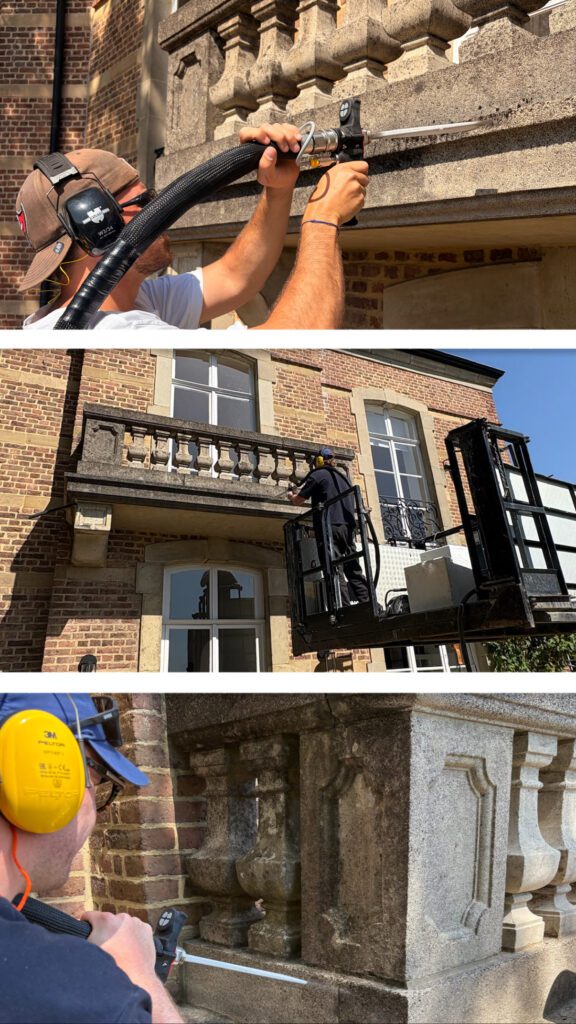
A dirty facade ages a building much faster than time itself. Pressure washing and sandblasting remove the dirt, but often damage the stone and joints.
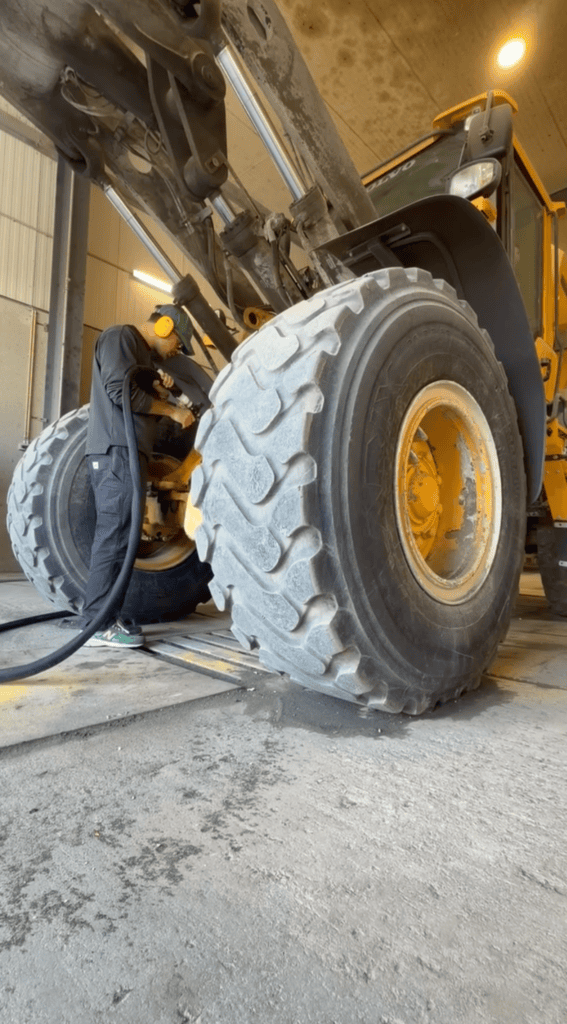
An excavator, a compactor or a concrete mixer spends its days in direct contact with cement, sprayed concrete, bitumen or lime. Here is why regular cleaning protects your fleet.

On a chocolate production line, cleaning with water out of habit can be very costly. Moisture, contamination, mould: here is why dry ice is better suited to this equipment.
On a lime production site, water is not just a question of cleanliness: it is a real safety risk. Quicklime in contact with water triggers a violent exothermic chemical reaction.
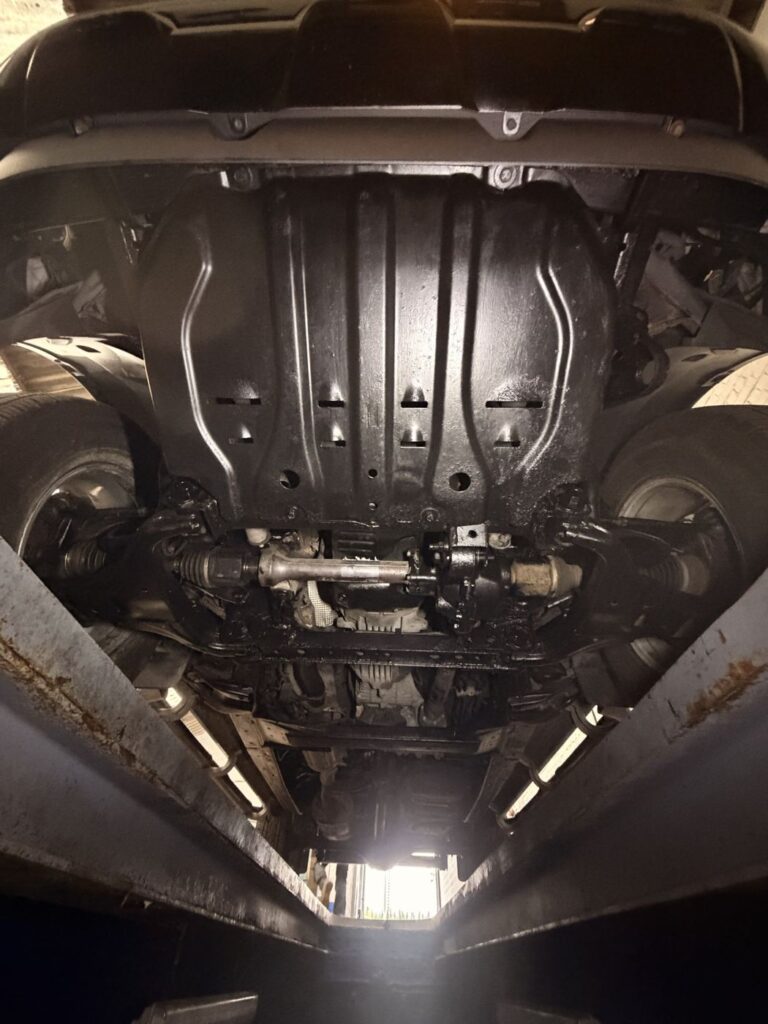
The underbody of this Ford was covered in mud and attacked by rust: chassis rails, front subframe, brackets and spare wheel. We combined dry ice cleaning, with no water or chemicals, with a rust treatment of the affected areas.

A dirty cabinet doesn’t fail overnight. It runs a little hotter every year, its contacts deteriorate, its faults become intermittent, until the stoppage that wasn’t in the schedule.
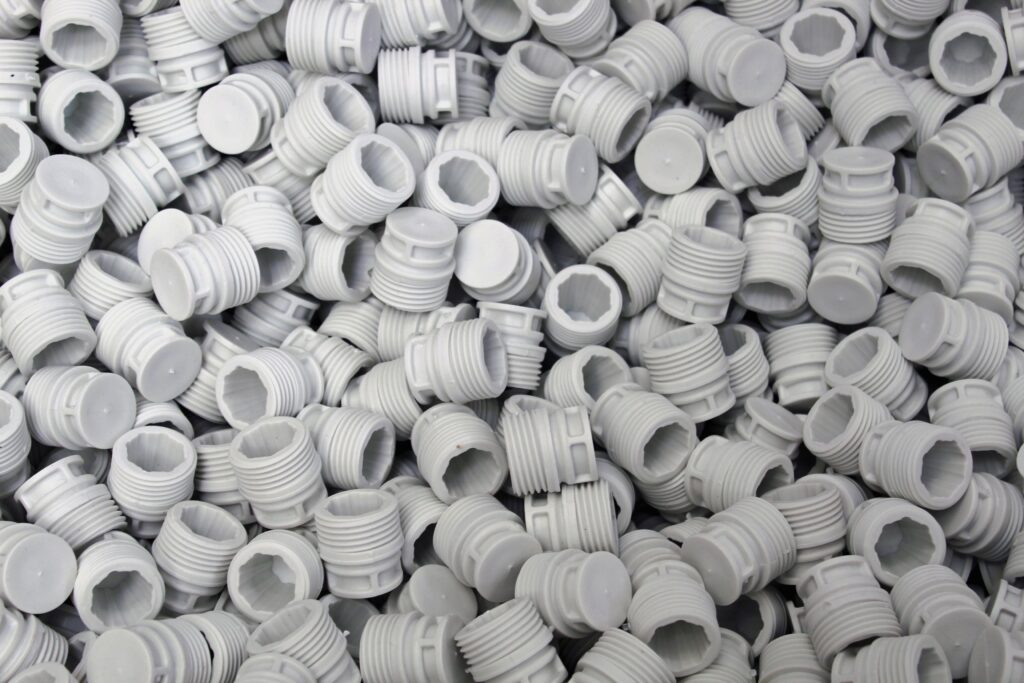
A mould that runs 2 seconds slower per cycle is almost nothing. Multiplied by 50,000 cycles, it adds up to several hours of lost production without a single alarm going off.

Dust that builds up on motherboards, fans and ventilation grilles acts as thermal insulation. The result: components run hotter, wear faster and eventually fail.